The Untouchables Series: Lebanese Passports, False Identities, and the Accountability Gap
What three media reports allege, what General Security disputed, and which facts still require primary evidence.
Published · Updated
Executive Summary
Three media reports allege that Lebanese passports were issued under false identities; General Security disputed an organized state-level scheme and announced a review. This analysis identifies what the reporting supports, what remains unverified, and which records public institutions should release.
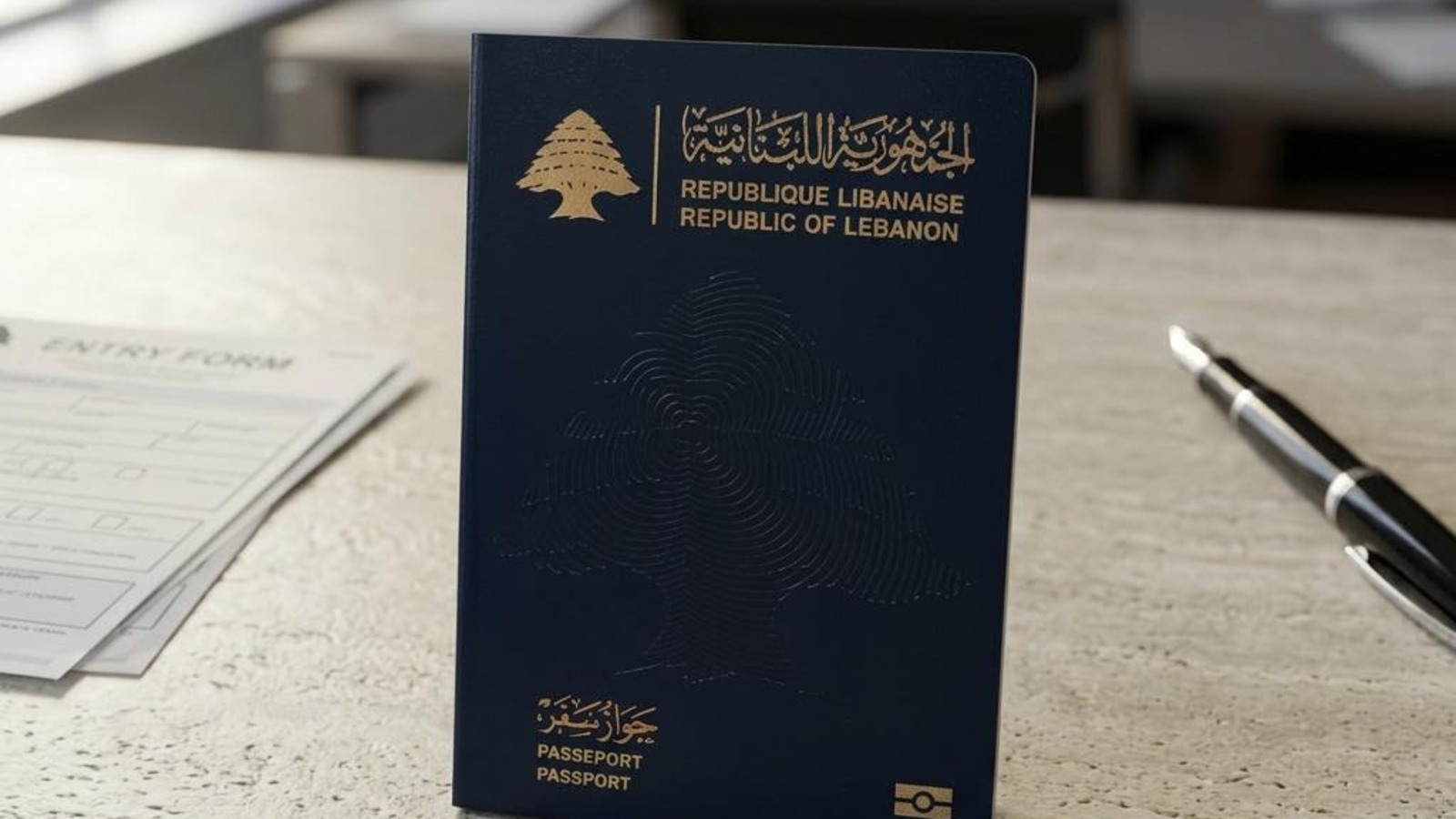
A sovereign passport is more than a travel credential; it is a state-issued certificate of identity. Reports that genuine passports may have been issued using false identities therefore raise serious questions about civil-registry checks, biometric enrollment and internal oversight.
This article is an analysis of three media reports published in 2026. Lebanon Think Tank did not obtain the underlying security files, passport applications, court records or internal audit, and did not independently verify the identities or affiliations described by those outlets.
What the reporting alleges
Alhurra and This Is Beirut reported allegations that authentic Lebanese passports were issued under false identities to people described as Iranian officers. The reports cited judicial or security sources, but the primary files are not publicly linked in the material reviewed for this article.
Akhbar al-Yawm reported General Security’s rejection of claims of an organized state-level scheme and its announcement of a review of passport issuances. That public response is material and should be read alongside the allegations.
What remains unverified
The three reports do not provide publicly accessible primary evidence proving who authorized any improper issuance, whether biometric safeguards were bypassed, how many passports were affected or whether a senior official personally participated in wrongdoing. This article therefore makes no finding of personal criminal responsibility.
The accountability questions
The reporting nevertheless identifies questions that public institutions can answer with documents:
- Which offices processed the applications described in the reports, and which records were used to validate identity?
- Were the applicants physically present for biometric enrollment?
- When were anomalies first detected, and which cases were referred to judicial authorities?
- What did the announced internal review examine, and will its findings be published?
Why transparency matters
When a state’s identity documents are compromised, the consequences extend far beyond political scandals.
The appropriate response is publication of the review’s scope, verified case counts, control failures and judicial outcomes—while protecting personal data and the integrity of active proceedings. Until primary records are available, the allegations should remain clearly attributed to the outlets that reported them.
Evidence & Sources
Methodology
This is a desk analysis of three linked media reports: Alhurra, Akhbar al-Yawm and This Is Beirut. Lebanon Think Tank conducted no original interviews and did not obtain the underlying security files, passport applications, court records, internal audit or right-of-reply correspondence. Claims are attributed to the outlets that published them.
Disclosures
Published under the collective Research & Policy Desk byline. Lebanon Think Tank is founder-funded and reports no external funding. Its operator and final editor are not publicly identified. This article makes no finding of criminal conduct by any named person.
Corrections
2026-08-25 — The title was corrected from “he” to “The.” The article was reclassified from Investigation to Analysis because it synthesizes three secondary reports and contains no original reporting or primary evidence. The text now distinguishes reported allegations, General Security’s response and facts that remain unverified.
he Untouchables Series — Investigation
The Untouchables Series — Analysis