The Cult of the Checkbook: How Wealth Buys Moral Amnesty in Lebanon
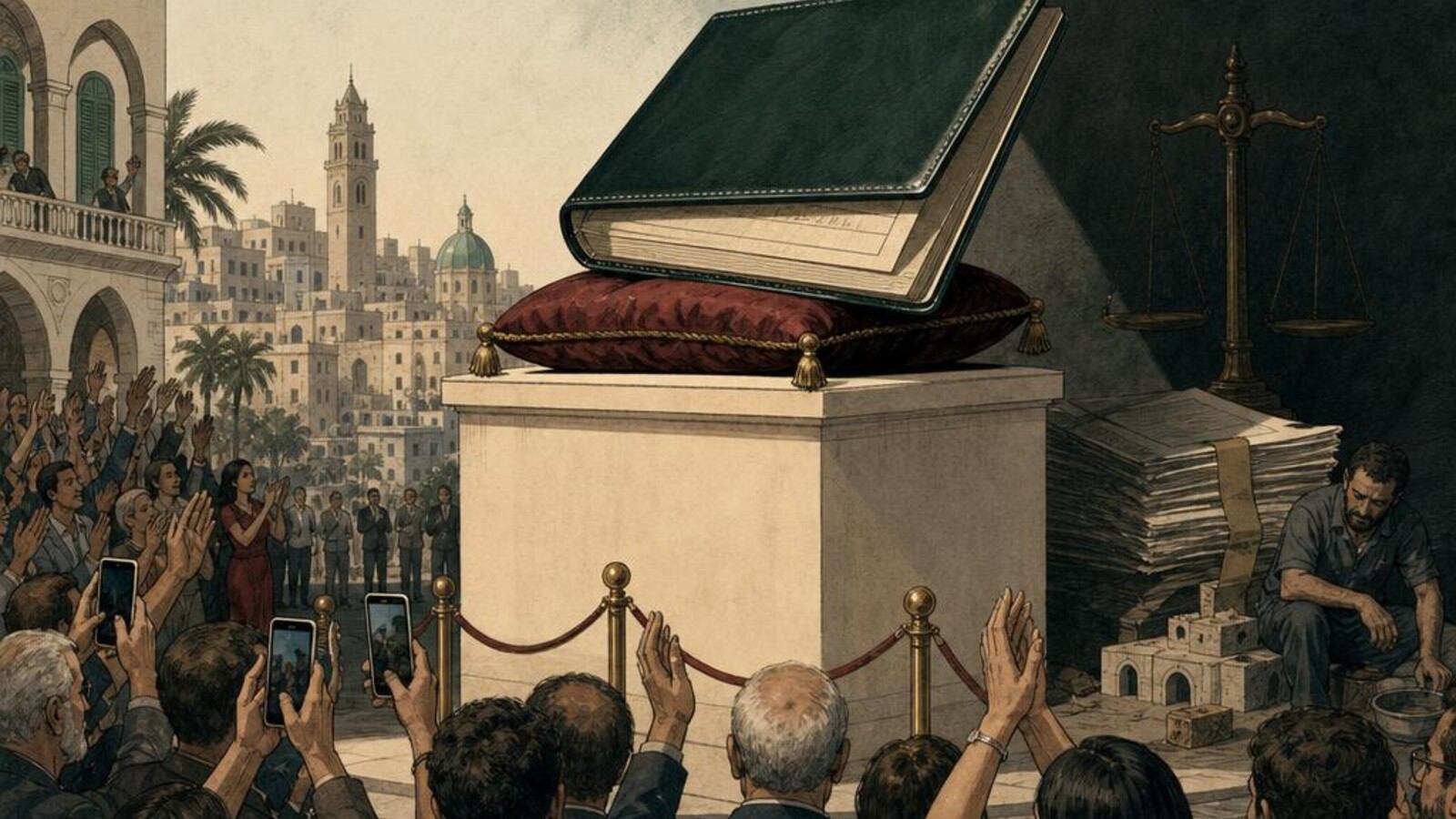
Lebanon too often mistakes money, titles and visibility for leadership—granting prestige before asking what was built, how it was governed or who paid the cost.
Published · Updated
Executive Summary
This opinion argues that Lebanese public culture frequently treats wealth as proof of wisdom and virtue. It calls for a more demanding definition of leadership based on transparency, institutional stewardship, accountability and public value rather than executive titles or investment capital.
In Lebanon, a familiar reflex appears whenever a wealthy expatriate, prominent investor or former corporate executive returns to public view. Television studios, conference stages and social-media feeds quickly present the figure as a visionary.
The story usually follows a simple script: a prestigious title, a large balance sheet, a book about leadership, a seat on an investment panel and a promise to mentor the next generation. The public is invited to admire the résumé, not examine it.
This is not an argument against wealth, ambition or a second act after corporate life. It is an argument against moral amnesty: the tendency to treat money and visibility as substitutes for scrutiny.
Worshipping the title, not the record
When a senior executive leaves a major company amid dispute, upheaval or unresolved questions, a healthy business culture asks what happened. How strong were the institutions under that person’s control? Did governance improve? Were employees and partners treated fairly? Did the public image match the operating reality? How did the organization handle failure?
Lebanese public culture too often skips those questions. The prestige of a C-suite title and the scale of the money involved become evidence enough. Managing a large budget is treated as proof of judgment. Personal wealth becomes proof of character.
That confusion is dangerous. Capital can demonstrate commercial success, but it does not automatically establish integrity, wisdom or public-minded leadership. Those qualities require evidence of how power was exercised—not merely evidence that power was held.
When turmoil is rebranded as vision
Public memory is remarkably easy to edit when institutions are weak. A polished television appearance, a prominent judging role, a speaking tour and a leadership book can transform a complicated record into an uncomplicated success story.
The rebranding works because Lebanon is hungry for examples of achievement. After years of economic collapse and institutional failure, a confident figure with international credentials offers reassurance: someone from this society succeeded, accumulated influence and returned with capital.
But the hunger for good news should not suspend critical judgment. Leadership is tested most clearly when things go wrong. Transparency, succession planning, institutional resilience and accountability matter more than the ability to control a favorable narrative after departure.
If access to investment capital is enough to silence scrutiny, accountability has effectively been priced. The person with the microphone and the checkbook gets to write the final chapter.
The danger of valueless capitalism
This habit reflects a broader commercial ethic: the appearance of success is rewarded more reliably than the substance of integrity.
We celebrate the deal without asking about the institution left behind. We applaud relentless ambition without examining whether ethical boundaries survived it. We admire the personal brand while ignoring the people and systems that made the achievement possible.
Markets require risk, competition and reward. They also require trust. Sustainable capitalism depends on clear rules, honest accounts, responsible governance and consequences for abuse. Without those foundations, admiration for wealth becomes a culture of impunity rather than enterprise.
The result is not only unfair. It teaches younger professionals the wrong lesson: that reputation can be purchased later, that visibility can overwhelm a contested record and that money is the only credential society ultimately respects.
A more demanding definition of leadership
Lebanon should welcome investment and celebrate genuine achievement. But celebration must follow scrutiny, not replace it.
A credible leader should be able to answer basic questions:
- What lasting institution did you build?
- How did you govern when no camera was present?
- What happened to employees, partners and systems under your authority?
- How openly did you address failure or controversy?
- What public value exists beyond your personal brand?
These standards should apply to corporate executives, investors, politicians, philanthropists and media personalities alike.
True cultural confidence means knowing the difference between a visionary who builds durable value and a money holder who can buy applause. Until Lebanon makes that distinction, the checkbook will remain more than a financial instrument. It will function as a certificate of moral innocence—signed by a society too impressed to ask for the audit.
Methodology
This is interpretive commentary about recurring public narratives around wealth and leadership. It makes no factual finding about any named or identifiable executive; individual allegations from the submitted draft were excluded because they were not supported by publishable sourcing.
Disclosures
Published under the collective Research & Policy Desk byline. Lebanon Think Tank is founder-funded and reports no external funding. The views expressed are the institutional editorial position of the Desk.